The Aquaculture Association of FCT and Environs (AQUAFEN) has called for stronger partnerships among government, private-sector investors, financial institutions, development partners and aquaculture practitioners to unlock investment opportunities and address persistent challenges confronting the fisheries and aquaculture value chain.
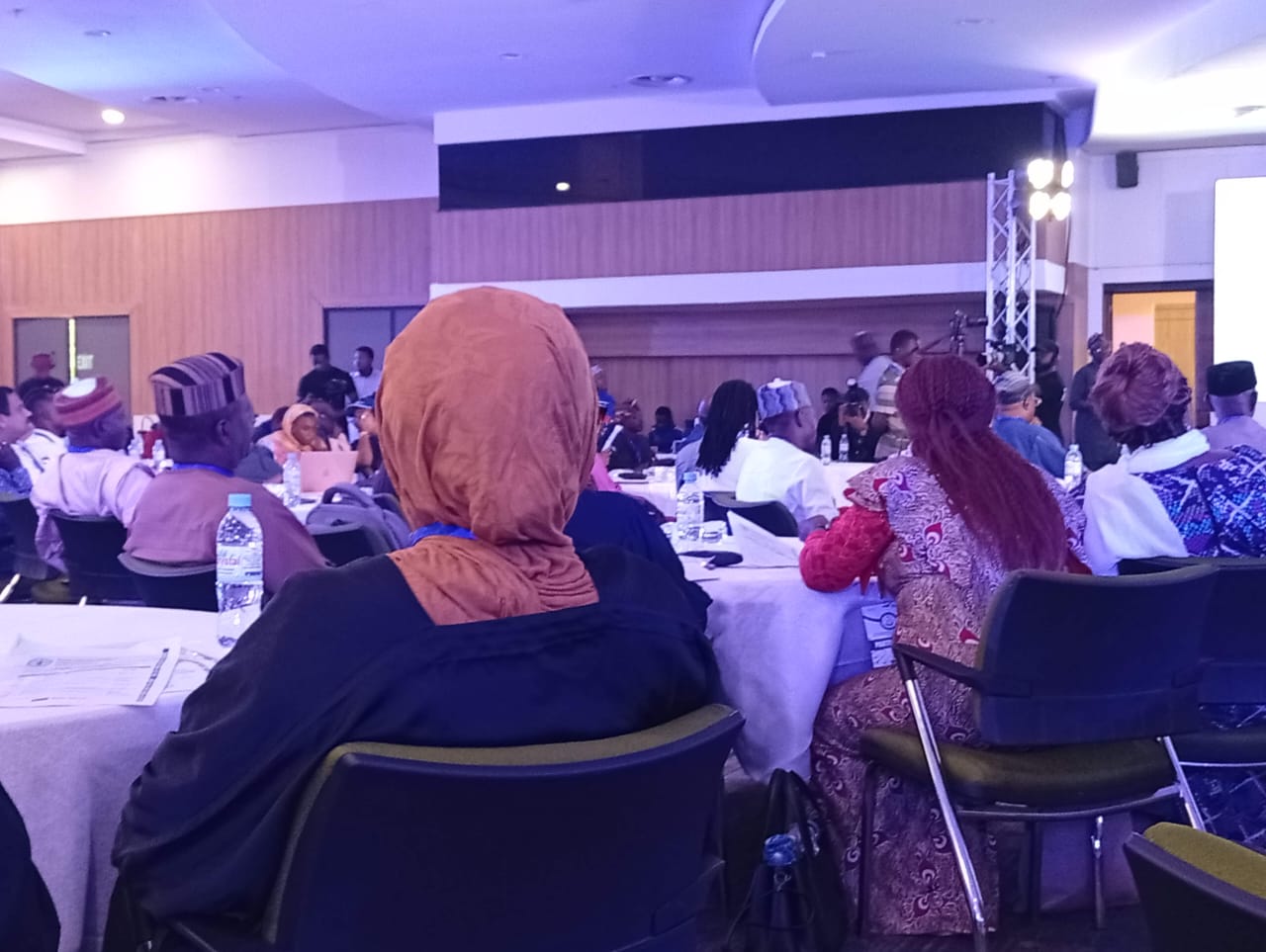
The call followed AQUAFEN’s participation in the Fisheries and Aquaculture Partnership Multi-Stakeholder Platform (FAMP) Dialogue, held on August 13, 2026, at Lakeview Greenfield Hotel, Kado, Abuja, under the theme: “Building Partnerships to Unlock Investment Opportunities in the Fisheries and Aquaculture Value Chain.”
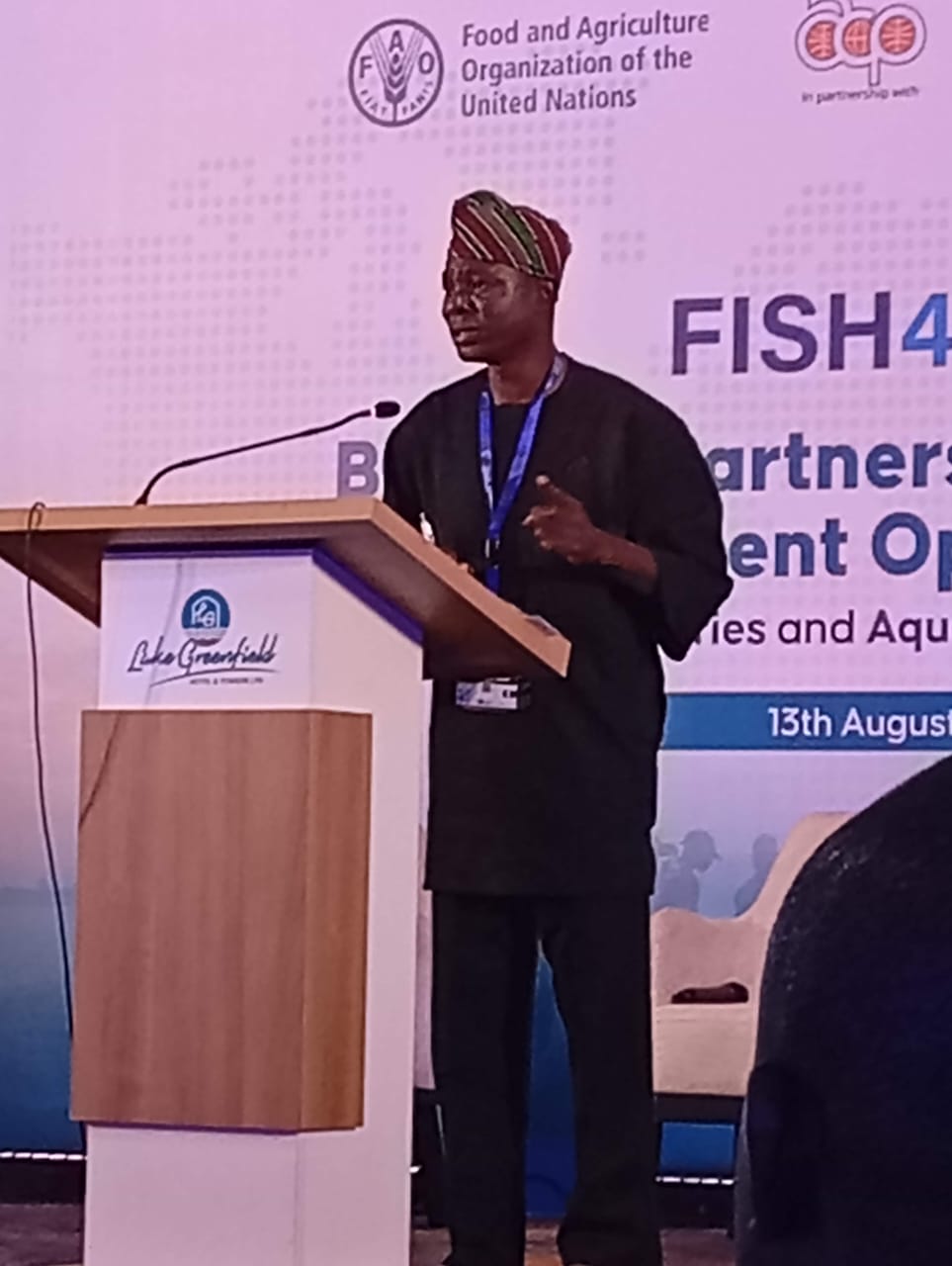
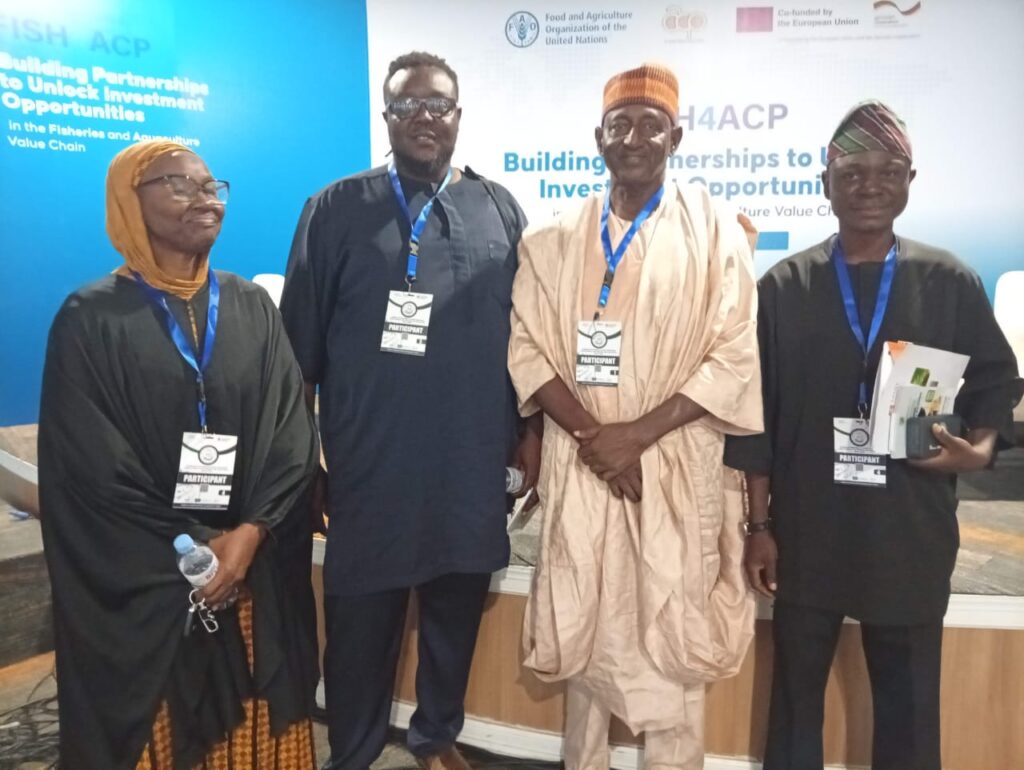
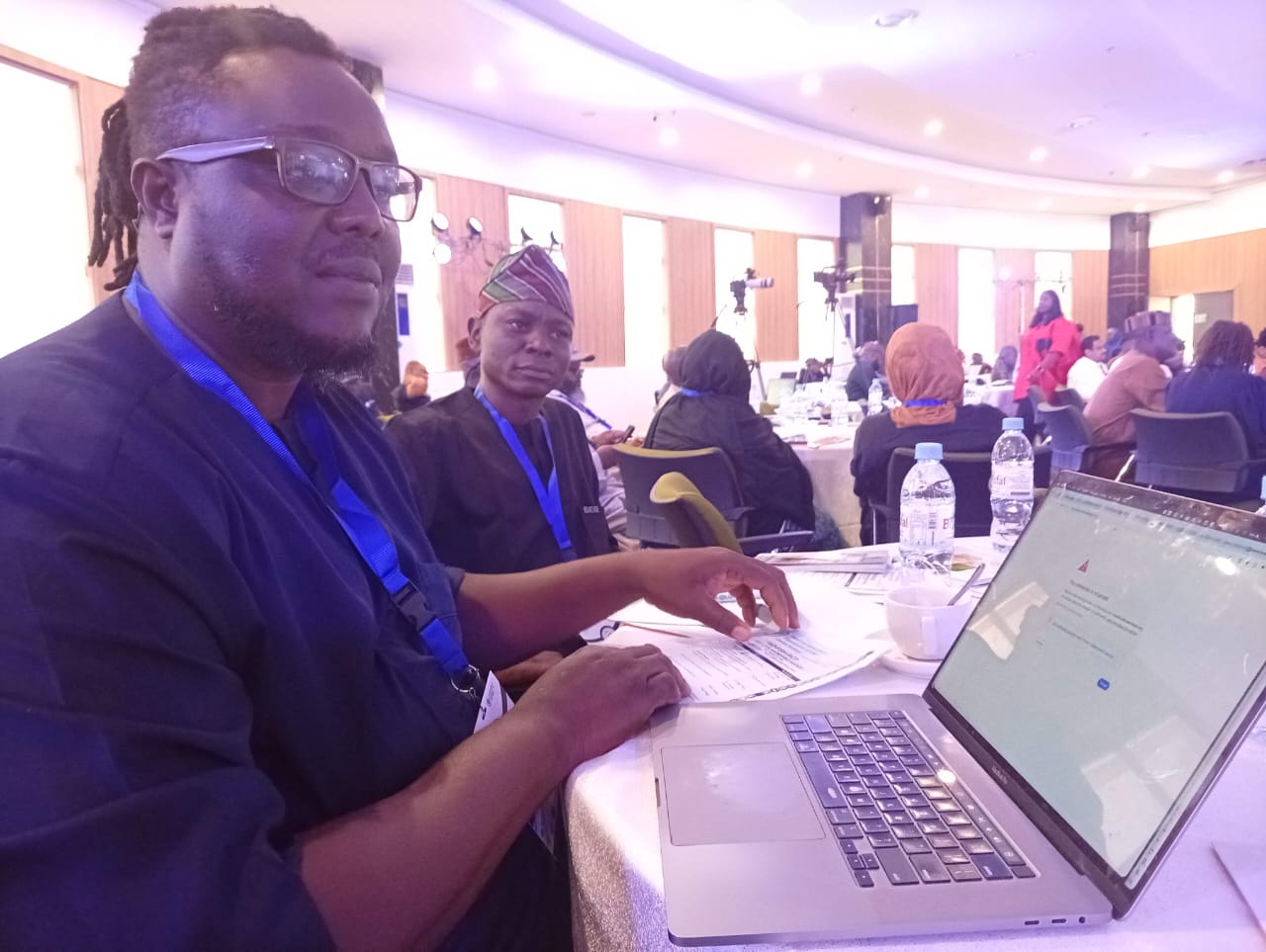
AQUAFEN was represented at the dialogue by its Executive Secretary, Mr. A.I.P. Aruoshla Lord; Director, Price & Quality Control, Mr. Anthony E. Udeh; Elder Hassan Mundu; and Hajia Binta, alongside other stakeholders.
The dialogue was hosted by the Fisheries and Aquaculture Multi-Stakeholder Platform, with support from the Food and Agriculture Organization of the United Nations (FAO) through the FISH4ACP Programme, and facilitated by Sahel Consulting.
Addressing the Challenges in the Value Chain
A major highlight of the dialogue was the high-level panel session titled “Cracks in the Chain – Where Value Chain Leaks and Who Can Seal It.”
Stakeholders identified the rising cost of feed ingredients, including fishmeal, soybean, maize and additives, as one of the major challenges affecting aquaculture production.
The meeting also examined the impact of foreign-exchange pressures resulting from dependence on imported feed ingredients and premixes, while exploring alternative sources such as black soldier fly larvae, insect meal and agro-industrial by-products.
AQUAFEN noted that these challenges remain among the major concerns of fish farmers within the FCT and environs and emphasized the importance of collective action, innovation and co-production clusters to reduce production costs and improve the competitiveness of farmers.
FIVE KEY PRIORITIES FOR SECTOR DEVELOPMENT
During the roundtable session, stakeholders identified five priority areas requiring urgent attention:
1. Feed and Inputs:
Improving the affordability, quality and availability of feed and other production inputs.
2. Seed, Health and Biosecurity:
Ensuring access to quality fingerlings while strengthening fish health management and disease prevention.
3. Processing, Markets and Trade:
Expanding value addition, market access and compliance with standards for domestic and export markets.
4. Finance and Investment:
Improving access to affordable financing, de-risking investments and attracting capital across the entire aquaculture value chain.
5. Data, Standards and Knowledge:
Developing reliable sector data and evidence-based knowledge to support sound policy, planning and investment decisions.
AQUAFEN will step down the outcomes of the dialogue to its members through a dedicated association dialogue day, with a view to developing practical strategies that can translate the recommendations into action.
FINANCING THE FUTURE OF AQUACULTURE
Another important session, “Funding the Future – Financing Collaboration Across the Value Chain,” focused on what is required to make fisheries and aquaculture more attractive to investors.
Participants discussed the importance of blended finance, guarantees, patient capital and greater involvement of Development Finance Institutions, stressing that the sector requires financing models that go beyond conventional loans.
Stakeholders further emphasized that investment should cover the entire value chain—including fish farmers, feed producers, input suppliers, processors, aggregators and off-takers.
AQUAFEN believes that improved access to finance will help farmers expand production, create employment, strengthen food security and contribute significantly to the economic development of the FCT and Nigeria at large.
AQUAFEN ENGAGES FCT FISHERIES AUTHORITY
On the sidelines of the dialogue, the AQUAFEN delegation engaged the FCT Director of Fisheries on the need for appropriate waterway sites to be allocated to aquaculture farmers.
The Director assured the association that the matter would be further considered following consultation with the Director of Parks and Recreation, with a commitment to revert to AQUAFEN.
The association also held discussions with other organizations and prospective partners on opportunities for future collaboration aimed at strengthening aquaculture development and improving the welfare and productivity of farmers across the FCT and environs.
COMMUNIQUE ADOPTED
The dialogue concluded with the presentation and adoption of a Communique outlining commitments expected from government, private-sector stakeholders and development partners.
AQUAFEN welcomes the resolutions and calls for sustained collaboration to ensure that the commitments translate into measurable improvements across the fisheries and aquaculture value chain.
The association maintains that Nigeria’s aquaculture sector has enormous potential to contribute to food security, employment generation, poverty reduction and economic diversification, but unlocking this potential requires coordinated investment, supportive policies, accessible finance, reliable data and stronger public-private partnerships.
AQUAFEN therefore reaffirms its commitment to providing a strong platform for engagement, advocacy, knowledge-sharing and collaboration among aquaculture stakeholders in the FCT and environs.