EDITOR-IN-CHIEF’S STATEMENT
By Aminu Adamu Ahmed, Editor-in-Chief West African Journalist on Environment, Science, Health and Agriculture (WAJESHA) | The North Journals | The Green Times Africa
July 1, 2026
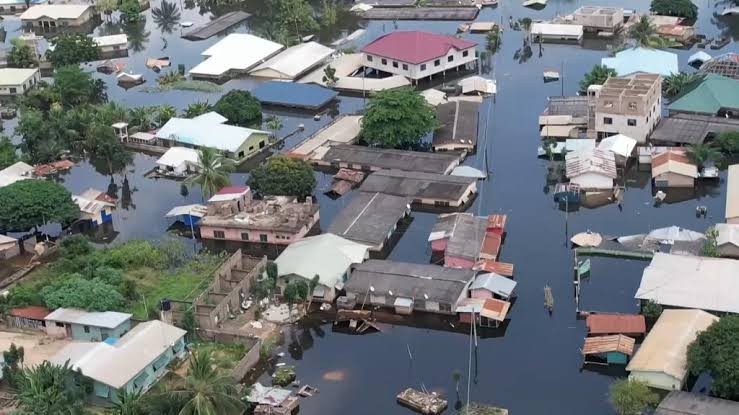
It is with a heavy heart that I write on behalf of our editorial team, following the devastating flooding that struck Alajo, in the Ayawaso Central Municipality of Accra, Ghana, earlier this week.
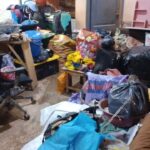
Among those whose lives were upended is our own colleague and WAJESHA member, Peter Quao Adattor, whose home was submerged in the early hours of Monday after torrential rain overwhelmed the community’s drainage system. In a matter of hours, floodwaters rose from ankle level to well above chest height inside his home, destroying his cameras, professional documents, passport, and years of accumulated work. Nearly three decades of residence in the area, he says, had never prepared him for a flood of this magnitude.
The account of that night is harrowing. Adattor and his family were forced to flee on foot as the waters rose around them, eventually taking shelter atop a storey building for close to four hours before it was safe to return. What they found on their return was total loss of possessions not merely dampened, but destroyed beyond salvage.
What strikes me most, as a fellow journalist and as Editor-in-Chief, is the quiet resilience in his account. Even amid such personal loss, Adattor’s first instinct was to point to something larger: that everyone in his area survived because the community prioritised safety over possessions. That instinct to think of collective wellbeing even in personal crisis is the same instinct that drives the work we do across our newsrooms every day.
This tragedy did not occur in isolation. It comes as Accra continues to reel from severe flooding that has claimed at least a dozen lives and displaced hundreds of residents across the capital, with the Ghana National Fire Service recording rainfall levels among the highest in recent years. That Alajo an area that had itself served as a refuge for others during an earlier flooding incident in June could be so completely overwhelmed this time speaks to the compounding effects of poor waste management and worsening climate impacts that our publications have long reported on.
We also note, with concern, our colleague’s observation that government presence on the ground in the days following the disaster has been limited. While relief funds and emergency responders have reportedly been deployed at the city level, the experience of residents like Adattor, who says he has not personally seen a government official visit his immediate community underscores a persistent gap between policy response and the realities faced by those most affected. This is precisely the kind of accountability gap that our environmental and humanitarian reporting exists to illuminate.
A Call to Solidarity
To Peter Quao Adattor and every WAJESHA member and family affected by this disaster: you are not alone. Your colleagues across West Africa’s Journalist Network for Environment, Science, Health and Agriculture stand with you in this difficult time. The loss of a home is devastating; the loss of the tools and records of one’s professional life compounds that pain in ways only fellow journalists can fully appreciate.
I encourage all members with urgent needs arising from the floods to reach out to the WAJESHA Secretariat without delay, so that appropriate support can be coordinated. I also call on our sister publications, partner organisations, and the wider media development community to consider what material, financial, or logistical assistance can be extended to affected colleagues as they begin the long process of recovery.
Beyond the immediate humanitarian response, this incident is a reminder of why our collective mandate matters. The climate crisis is not an abstract subject for our newsrooms to cover from a distance; it is now arriving at the doorsteps and inside the homes of the very journalists tasked with reporting it. We owe it to our colleagues, and to the communities we serve, to continue holding authorities accountable for drainage infrastructure, waste management, and disaster preparedness across our cities.
Our thoughts remain with Peter Quao Adattor, his family, and all residents of Alajo and greater Accra affected by this disaster. We will continue to monitor and report on the recovery efforts in the days ahead.
==============
Aminu Adamu Ahmed is Editor-in-Chief of West African Journalist on Environment, Science, Health and Agriculture (WAJESHA), The North Journals, and The Green Times Africa.